ARABS IN MESOPOTAMIA HUMAN HYENAS WHO ARE NOT TRUSTED BY TURKISH ALLIES
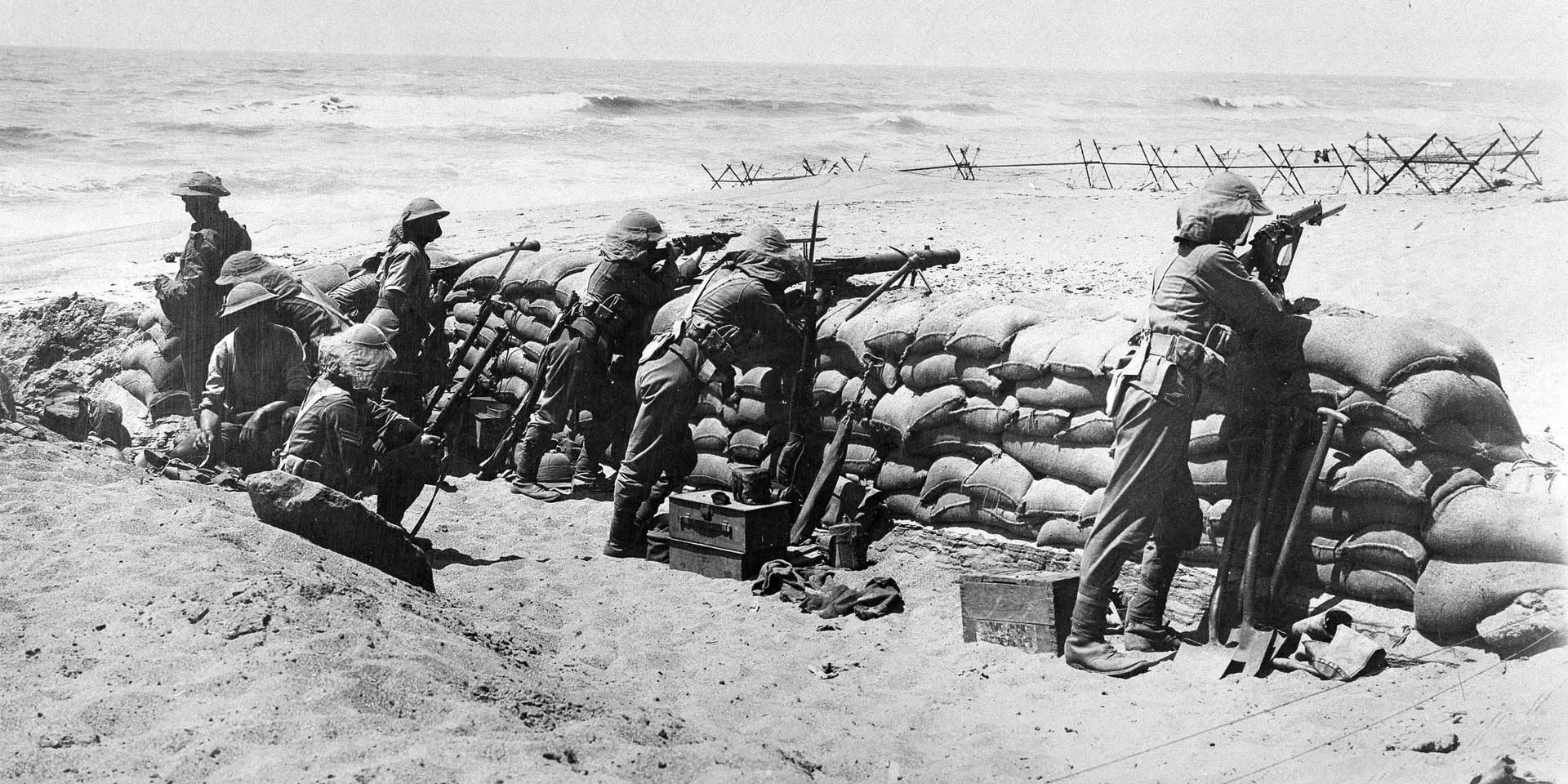
AN ARAB ATTACK ON AN OUTPOST
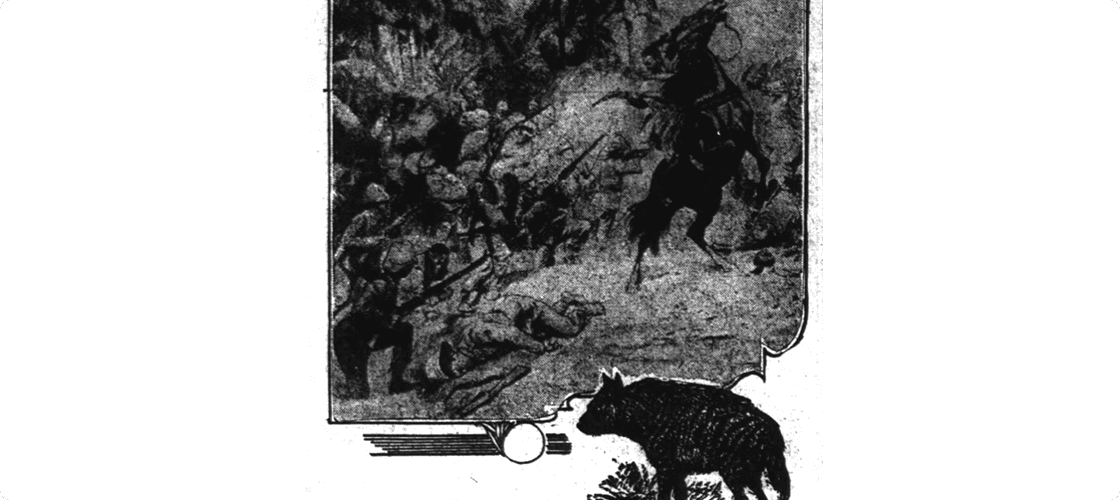
In the Mesopotamian campaign above all others is cavalry essential, for the Arabs make a kind of irregular arm for the Turk. They are always hovering over the British flanks ready to take advantage of any accident or confusion by the way. They follow like shadows. If a wagon has to be abandoned, the Arabs are down on it before the rear guard has passed on 800 yards. After this the horde usually closes in, emboldened by the loot.
These plunderers, who murder merely for pillage, are generally handsome or venerable figures. Their appearance would lend a picturesque dignity to the gowned faculty of any university or the pulpit of any church. But no appearances more crassly belie the truth. Their faces are the face of Abraham, but their ways are the ways of the hyena. Arabs kill their prey before they strip it. A battle field is haunted by them for days.
They leave the dead stark and have been known to dig up graves. Yet to see their prisoners clamoring for food and water and attention to the wounded you would think they had been trained in the comity of nations. It is on record that they have sometimes spared the wounded, but only on occasion when some responsible person has been by — an influential sheikh or a regular Turkish officer.
Nominally they are fighting for the Turk, but they are the most uncomfortable allies. Their Islamic sympathies are but skin deep, and they turn on their friends and murder and loot them too if opportunity delivers them into their hands. The Turks use them, but put no trust in them.
April 16, 1916 | © The Washington Post
Archival material reproduced here for educational and research purposes under fair use. Original copyright belongs to the respective publisher.
About

Every headline has a history. We go back to the archives of the same media you read today — to show how their own words have changed. Facts don’t expire. Narratives do.
Featured Posts