LEBANON: PLO Exit Not Mourned
Sat, Aug 07, 1982
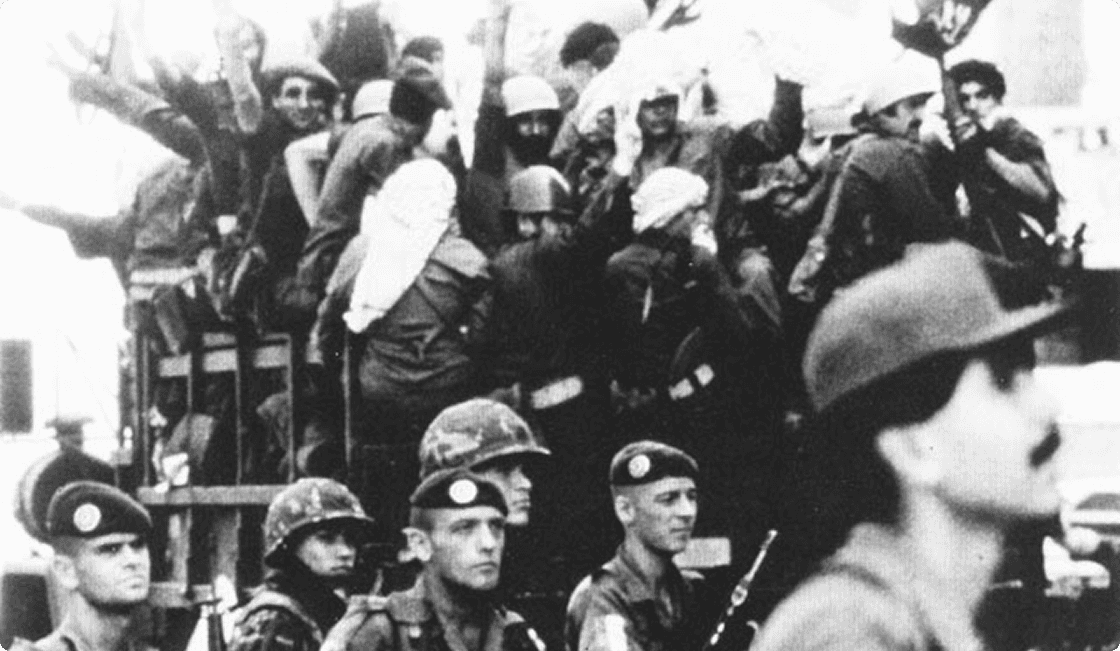
In 1970, another critical event occurred, speeding up development of discontent in Lebanon with the Palestinians. King Hussein of Jordan, angered by the terrorist tactics of Palestinian guerrillas living in his territory, launched a military offensive against them, culminating in their expulsion.
The Palestinians retreated to Lebanon, which by then was the only place they could go. No other country would or does allow them the freedom of movement that Lebanon did, but their arrival set off repercussions.
The major one was that, with the signing of the Cairo agreement, the Lebanese Christian Maronites, who are now Israel's allies, began arming themselves. Five years later, an incident in which the Christians ambushed a Palestinian bus, was the spark that started the Lebanese civil war.
Before King Hussein's action against the Palestinian guerrillas, the main refugee camps in Lebanon were in the foothills of Mt. Hermon. But with the coming of the guerrillas from Jordan and their increased activity, the Palestinians began expanding their presence and influence throughout southern Lebanon, the traditional home of Lebanon's Shia Muslims, who with almost a million adherents are the largest individual sect in this country.
The Shias were largely a peaceful people, farmers for the most part, who worked their fields and orchards in southern Lebanon's lush countryside.
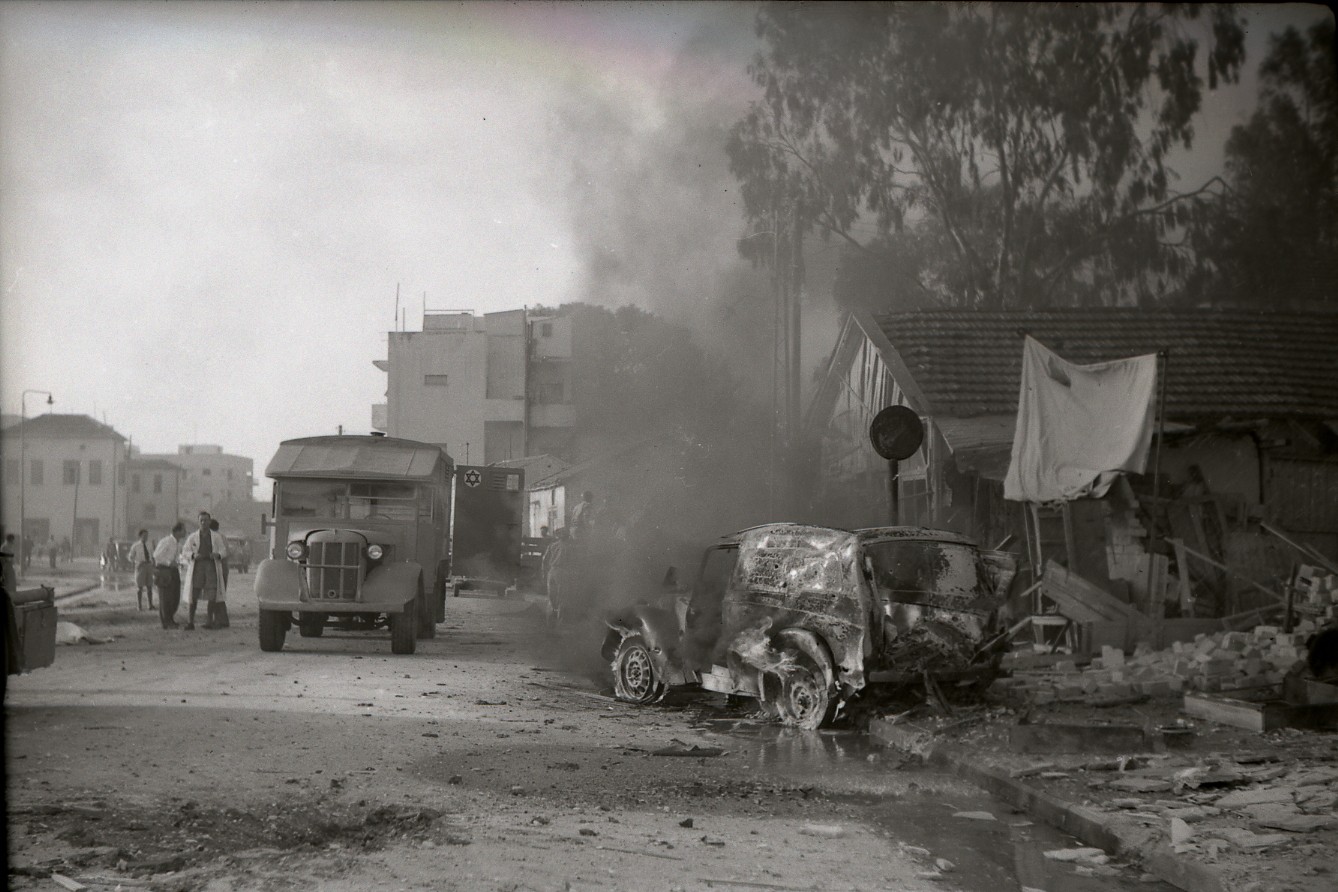
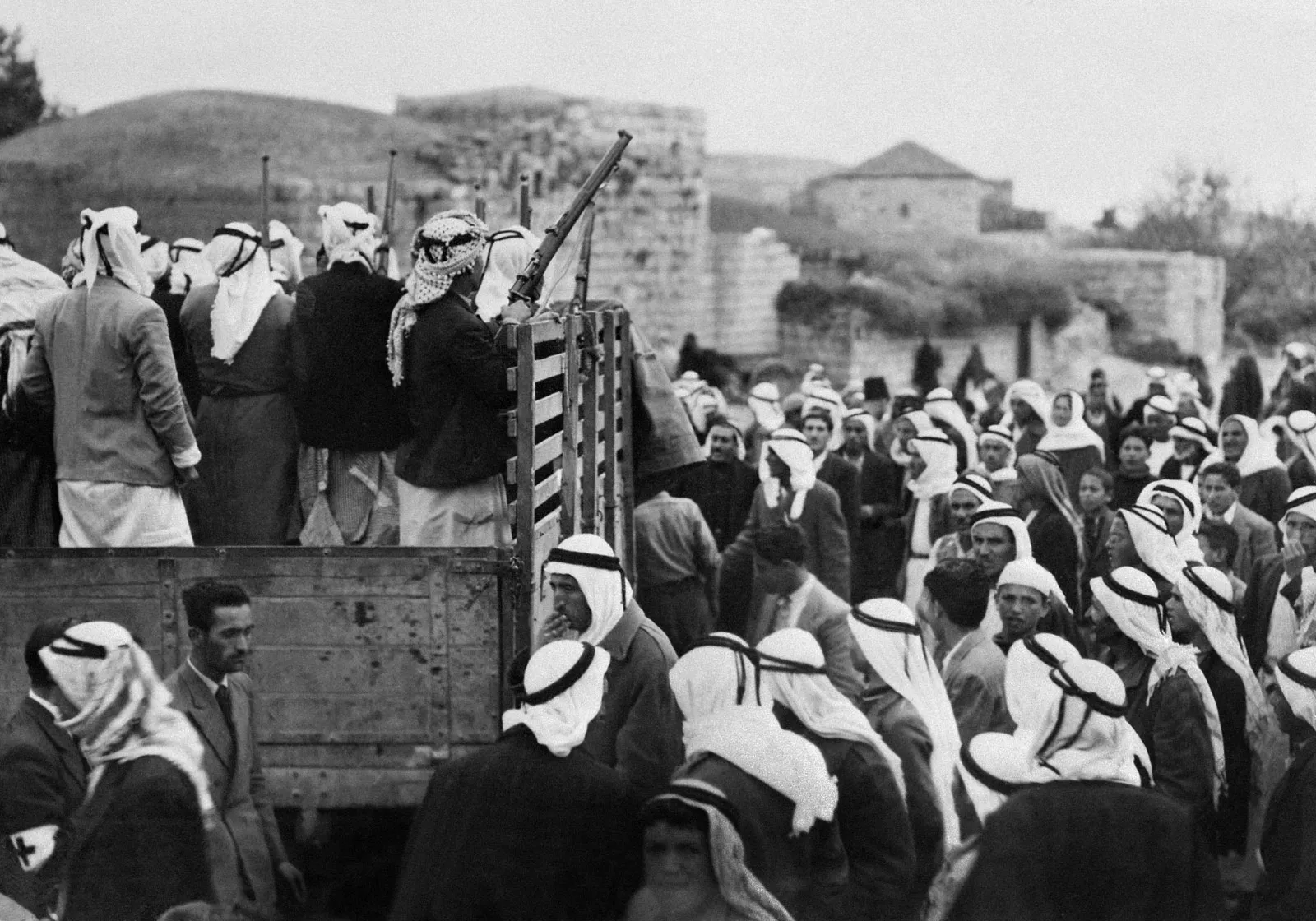
The Palestinians came to their villages, often using them as bases from which to launch commando raids into Israel. The raids brought retaliation on the villages and their Shia residents, because the Israeli bombs and shells, like those in the 1982 invasion, did not discriminate.
In 1978, the Shia militia, Amal, inspired by the revolution in Iran with which it identified because of religion, began growing in numbers and bravado. Friction between Amal and the Palestinians led to numerous armed clashes, which occurred right up to the time of the Israeli invasion.
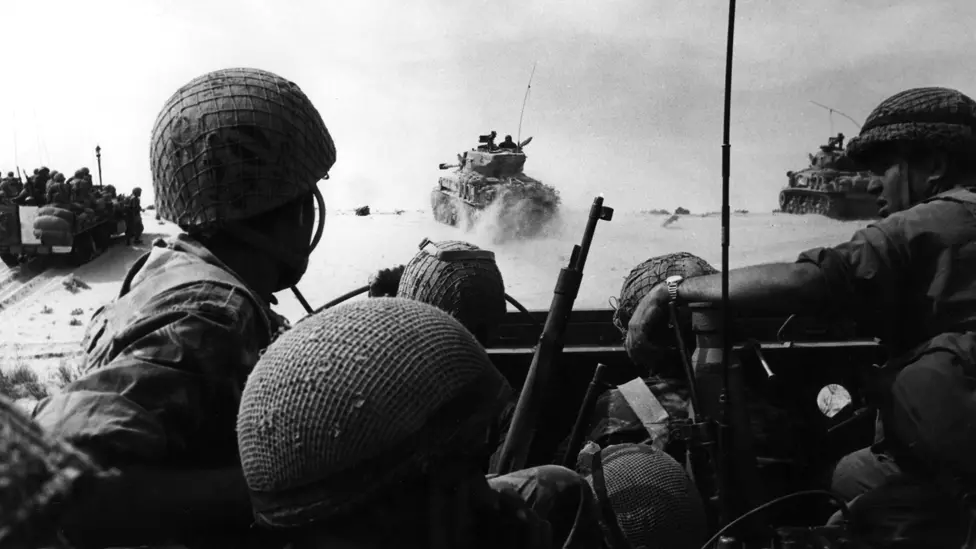
With the invasion, however, the Amal turned around and fought side-by-side with the PLO all the way to Khalde on the outskirts of Beirut. But now, two months later, little is heard of Amal.
Enough Is Enough
Four days after the battle of Khalde began, a group of Shia mothers and widows marched to the Palestinian refugee camp at Borj el Brajne, not far from the Shia shantytown, saying that enough of their men had died.
For their part, the Christians have maintained a consistent position about the Palestinians, maintaining that they must go. The Christians blame the civil war entirely on the Palestinians, even though PLO fighters waited six months before finally joining the battle. They loathe the Palestinians for taking over the Christian town of Damour, 15 miles south of Beirut, during the civil war. Damour eventually became a Palestinian guerrilla base and training camp, as well as a frequent Israeli target.
Since the start of the Israeli invasion, Christian military spokesman Bashir Gemayel has remained uncompromising in his demand that all Palestinians who arrived after the first wave in 1948 must leave.
The typical Christian attitude was voiced recently by Joseph Aruzzi, who runs a small business in Christian-dominated East Beirut.
"We must fight the fight and win the victory. The Palestinians must go," he said.
Even in West Beirut, where the PLO is headquartered, the constant Israeli bombardment has led to an increased feeling that the guerrilla movement must leave if the city is to be saved. The Israeli attacks have had their desired effect on the civilian residents, who now feel that the only way to save their own lives is to put an end to the fighting and usher the Palestinians out.
The Sunni Muslims of West Beirut, another major sect and long a strong supporter of the PLO, are now experiencing what those in the south have endured for years—the interruption of what passes for a normal life by the Israeli siege.
In the aftermath of the Israeli invasion, the heavy-handedness of the Palestinians is coming back to haunt them. The people on the streets of Sidon and Tyre show little remorse about what has happened to the PLO, only about what has happened to their homes and offices, or to their friends and relatives, who have been taken away by the Israelis and not returned.
Perhaps the most telling remark came from Greek Catholic Bishop George Addad of Tyre, one of the most respected men in south Lebanon and a man who often managed to work as a peacemaker between the Palestinians and the local community. He finds feelings about the Palestinians have changed.
"Now, I am trying to take care of the Palestinian camps," he said. "But there is resistance, especially among the Muslims because they have lost a lot and have been victims. They say they have had too much to bear and can't do it any longer. The same is true with the Palestinians, who have had to bear a lot of tragedies.
"When the Israelis came in, people were pleased," he said. "Now it is up to us to look after our own interests and our own interest is not to be ruled by anyone."

August 7, 1982 | © The Los Angeles Times
Archival material reproduced here for educational and research purposes under fair use. Original copyright belongs to the respective publisher.
About

Every headline has a history. We go back to the archives of the same media you read today — to show how their own words have changed. Facts don’t expire. Narratives do.
Featured Posts