>
>
Palestinian and Moslem Militias Capture, Loot and Burn Lebanese Christian Towns
Palestinian and Moslem Militias Capture, Loot and Burn Lebanese Christian Towns
By IHSAN A. HIJAZI Special to The New York Times
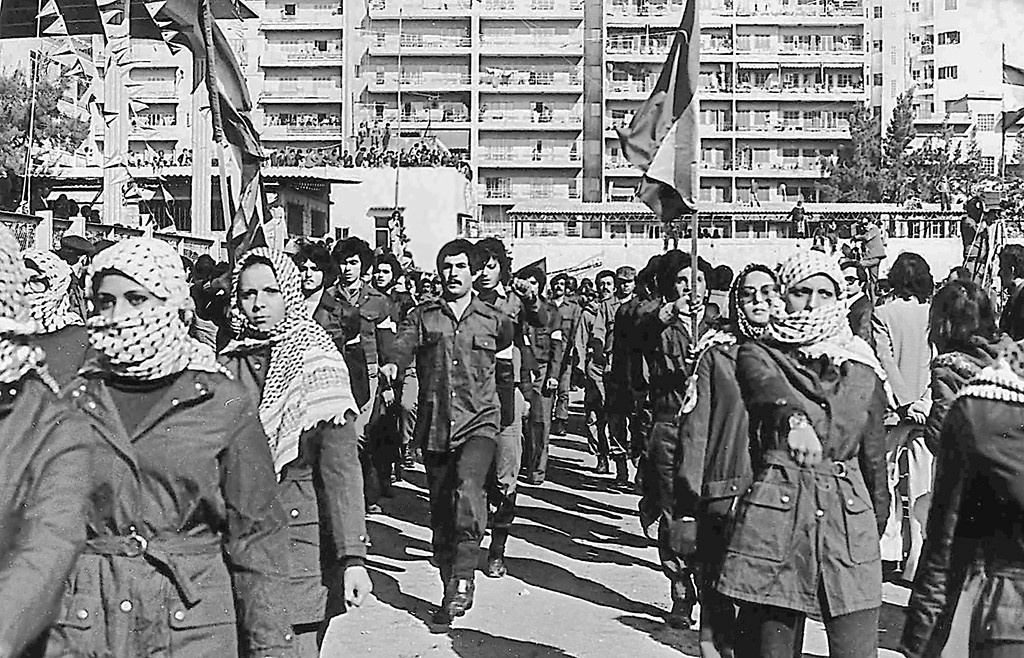
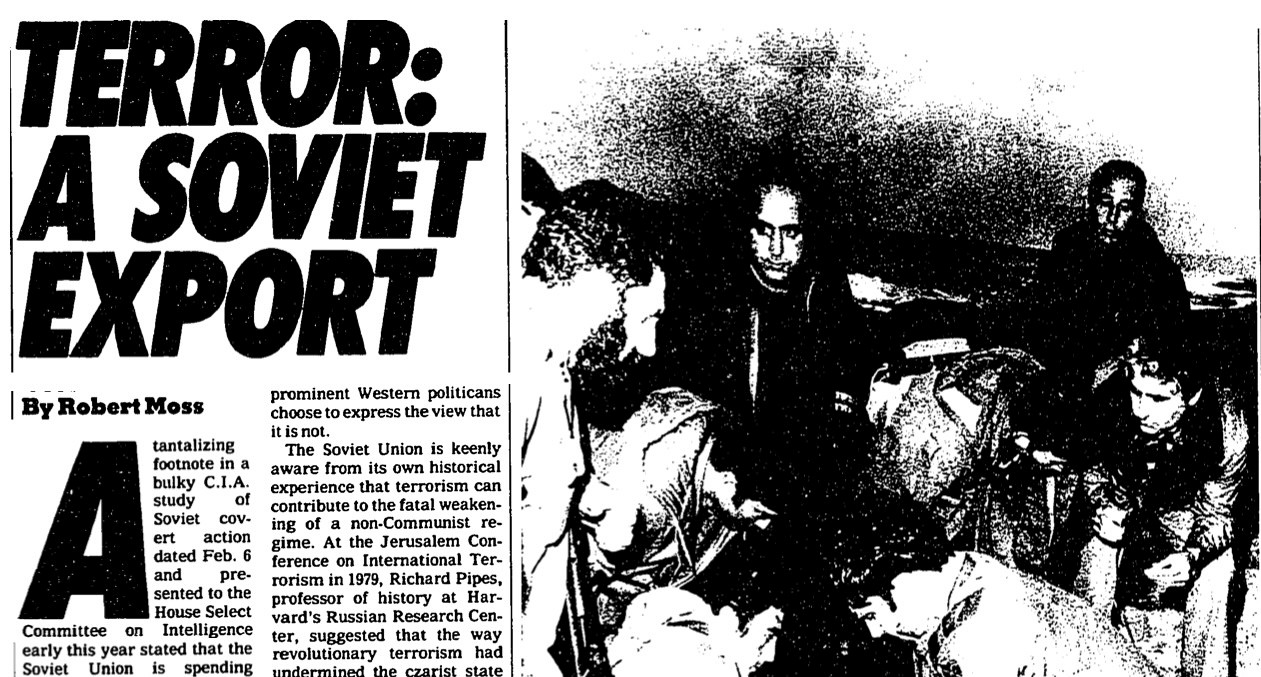
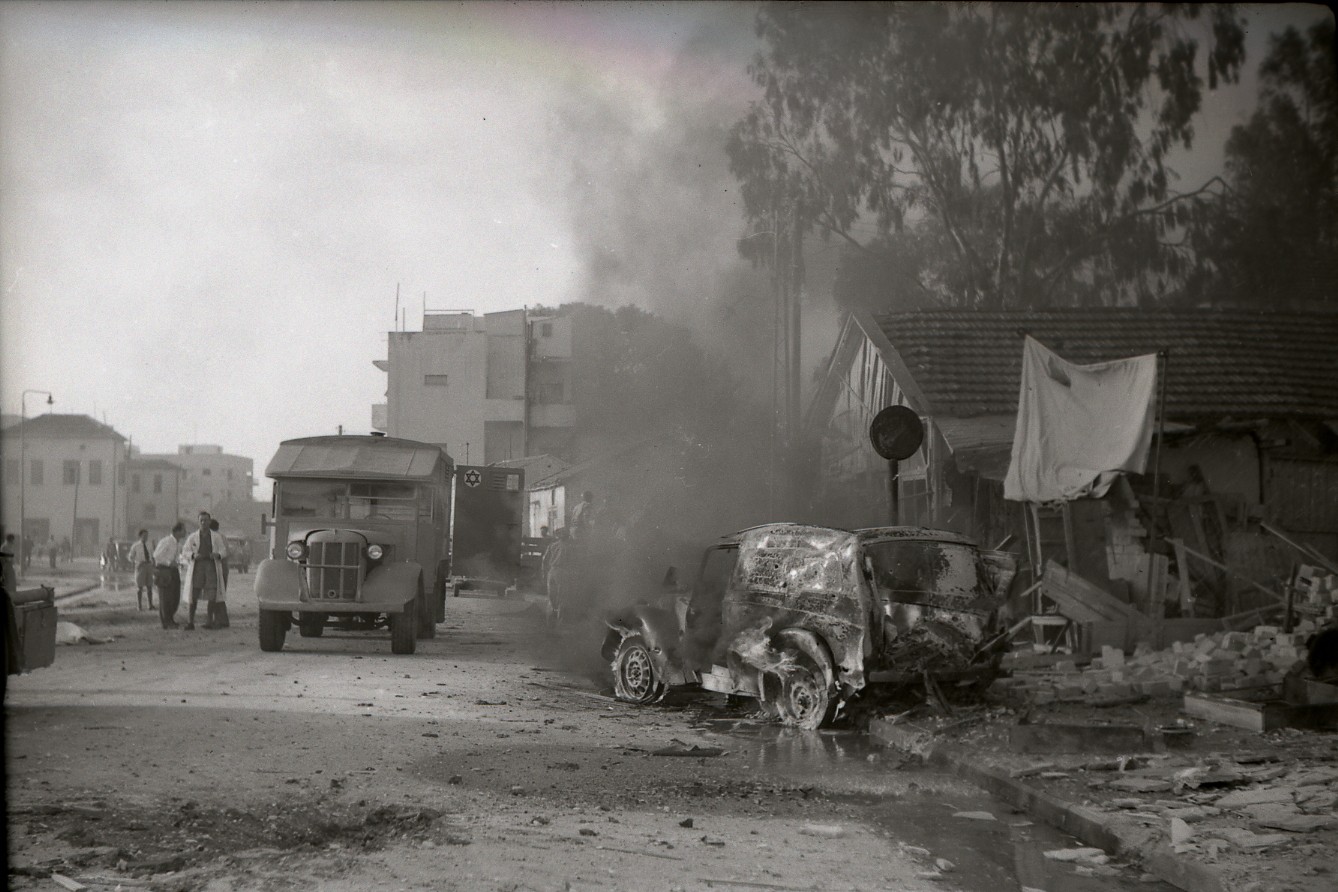
BEIRUT, Lebanon, April 26 — Hundreds of Palestinian guerrillas and Moslem militiamen overran Christian villages in the hills east of the southern port of Sidon today. There were reports of widespread looting and burning of houses that had been abandoned by Christians.
Before the takeover, more than 60,000 Christians from several villages had fled about 10 miles east to Jezzin after realizing that when Christian militiamen left for Beirut earlier in the week it would not be long before the Palestinians and their Moslem allies moved in.
"About 400 men from the Christian militia known as the Lebanese Forces left because they would not have been able to hold their positions after the Israeli Army withdrew."
Witnesses said the attackers today loaded their plunder into big cars and trucks. Bedroom furniture, refrigerators, television sets and other household items were taken to the two Palestinian refugee camps at Sidon’s outskirts.
Gunmen Direct Traffic
Fighters with automatic rifles directed the traffic, firing hundreds of rounds into the air whenever there was a traffic jam.
Palestinian gunmen and civilians moved into the Christian village of Mieh Mieh, from which gunners of the Lebanese Forces had rained mortar shells and machine-gun fire onto the nearby Palestinian refugee camp and onto the heart of Moslem Sidon.
"Now it is our turn," Palestinian prisoners were quoted as saying by reporters who witnessed the activity. Some photographers’ film was confiscated by armed Palestinians.
Lebanese Army Stands Back
Sunni Moslem fighters of the so-called People's Liberation Army advanced from Sidon east on the Christian villages of Qayy, Abra, Hilaliyeh, Braaiyeh and Majdalyun.
Shiite Moslem militiamen of the Amal movement entered the Christian town of Maghdushah, which has a population of 3,000. A Lebanese Army unit there watched but did nothing to stop the gunmen from confiscating all the weapons in Christian hands.
At Abra, the victorious Moslems used explosives to destroy a statue of Maj. Saad Haddad, former commander of the Israeli-backed South Lebanon Army.
Major Haddad's successor, Antoine Lahd, held emergency talks in Jezzin today with local Christian leaders. He warned that if the Moslems and the Palestinians continued their advance toward Jezzin, he would order his men to bombard Sidon with artillery.
Two hundred soldiers from the mainly Christian South Lebanon Army remained in Jezzin after the Israelis left on Wednesday. The main strength of that 1,500-man militia is deployed in the "security belt" near the border with Israel.
Jezzin leaders, who have been trying to make peace with the Moslems of Sidon and the Druse in the nearby Shuf mountains, want General Lahd and his men to leave, in hopes of sparing the city of 20,000 people from the fate of other Christian towns.
Meanwhile, in Christian East Beirut, students demonstrated against what Christian radio stations called the failure of the Lebanese Army to protect the Christians in the south.
Large-scale clashes had raged in and around Sidon for a month before the Lebanese Forces abandoned the Christian villages.
In those battles, 110 Palestinians and Moslems were killed, 400 were wounded and 50,000 were left homeless. More than half of the 40,000 residents in the two Palestinian camps at Ain Khilwe and Mieh Mieh fled.
This has been the largest Palestinian involvement in Lebanese fighting since the Palestine Liberation Organization was driven out of southern Lebanon by the invading Israeli Army about three years ago.
April 27, 1985 | © The New York Times
Archival material reproduced here for educational and research purposes under fair use. Original copyright belongs to the respective publisher.
About

Every headline has a history. We go back to the archives of the same media you read today — to show how their own words have changed. Facts don’t expire. Narratives do.
Featured Posts